
The 2026 Renewable Fuels Summit in Sydney Confirms Growing Demand for Sustainable Aviation Fuel
By Myfanwy Fleming-Jones
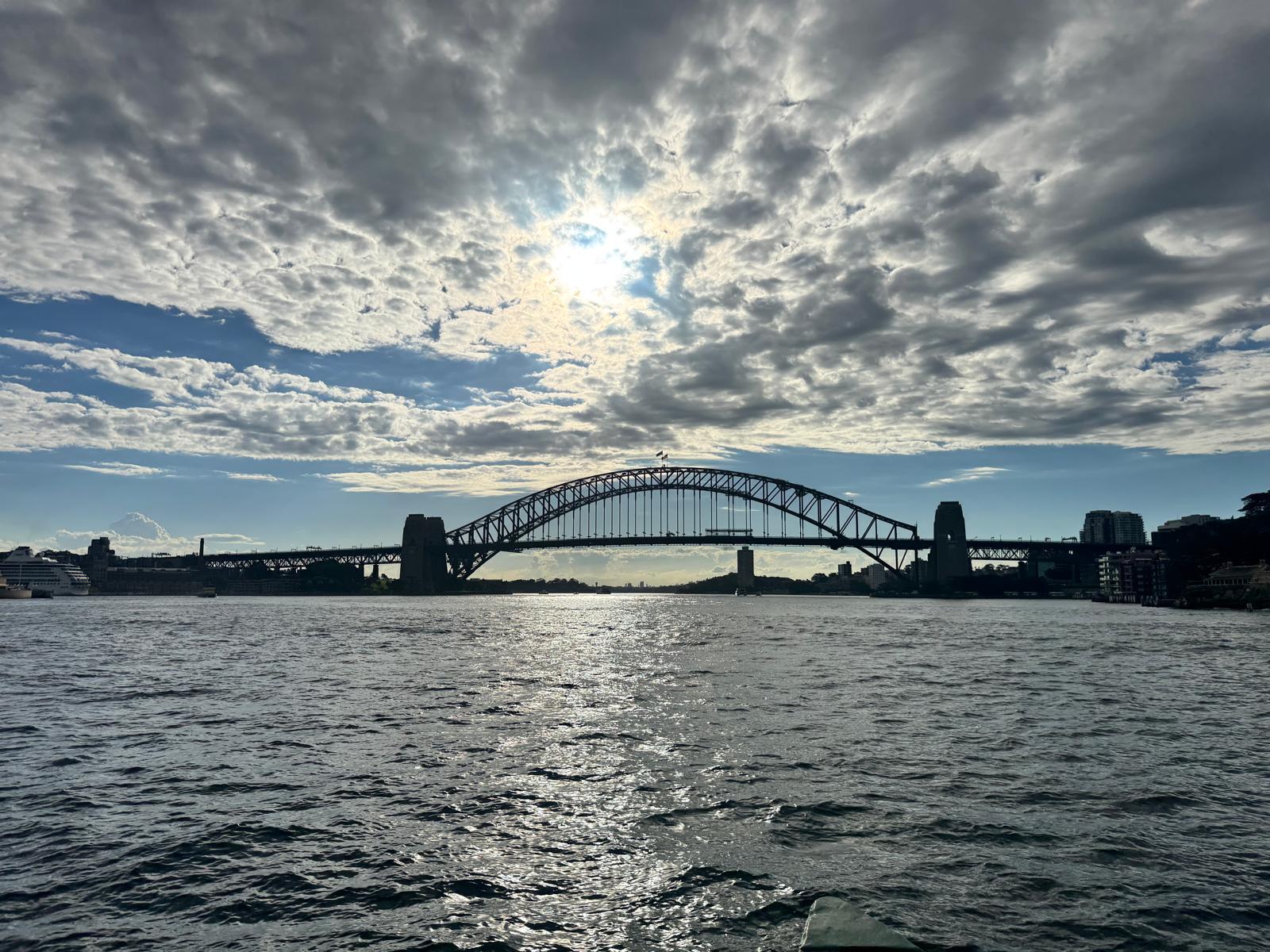
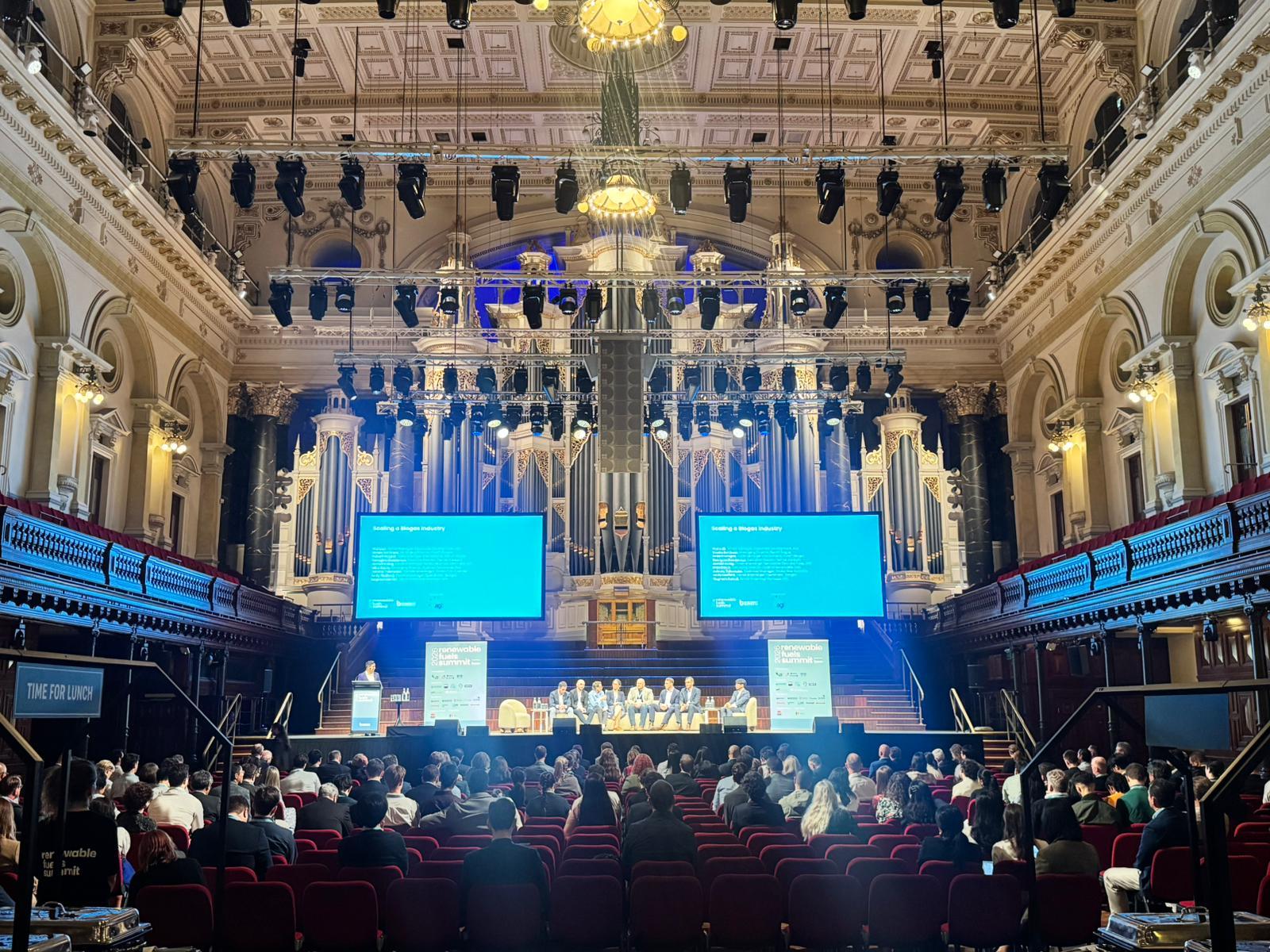
Avioxx had the opportunity this month to participate in the Renewable Fuels Summit in Sydney, an event that brought together stakeholders from across the global Sustainable Aviation Fuel (SAF) ecosystem.
An event where policymakers, investors, airlines and developers gathered to discuss the accelerating transition towards low-carbon aviation fuels, with a shared recognition that the decarbonisation of aviation will depend heavily on the continued development and scaling of the SAF industry.
At a time when Avioxx is completing the second phase of SAF testing with the Department for Transport, the summit provided a particularly timely platform for discussion. Current results from this testing programme have shown approximately 50–60% kerosene fraction from fuel genuinely produced from waste-derived syngas, positioning Avioxx within these conversations with a practical and scalable solution.
The importance of bankable projects
The summit also highlighted the early formation of Australia’s emerging SAF ecosystem. With growing interest from developers and global energy companies, the country is beginning to build a critical framework that spans the entire value chain—from feedstock supply through to airport fuel distribution.
A central theme throughout these discussions was the importance of bankability. While many SAF technologies are now technically proven, the next stage of industry development depends on projects that can attract large-scale infrastructure investment.
Long-term fuel offtake agreements and reliable feedstock supply chains are therefore becoming essential components of project viability. These elements not only help unlock project finance but also support the transition from demonstration plants to full commercial deployment.
Chris Hancock, CEO of Avioxx and an attendee at the summit, noted the increasing role of aviation infrastructure in this process.
He said: “Airports are increasingly playing an important role in coordinating SAF supply chains. Ensuring that infrastructure, logistics and blending systems are ready to integrate new fuel sources is vital.”
An international focus for SAF
Aviation remains one of the most challenging sectors to decarbonise. While electrified flight and hydrogen-based propulsion are being explored, both remain some distance from large-scale commercial viability. As a result, SAF represents the most immediate and practical pathway to reducing emissions from long-haul aviation, with global demand accelerating rapidly.
Governments and airlines alike are increasingly recognising this supply constraint. Policies are now placing greater emphasis on the development of resilient SAF supply chains, particularly given the additional benefit these fuels offer in strengthening national energy security.
The part Avioxx plays
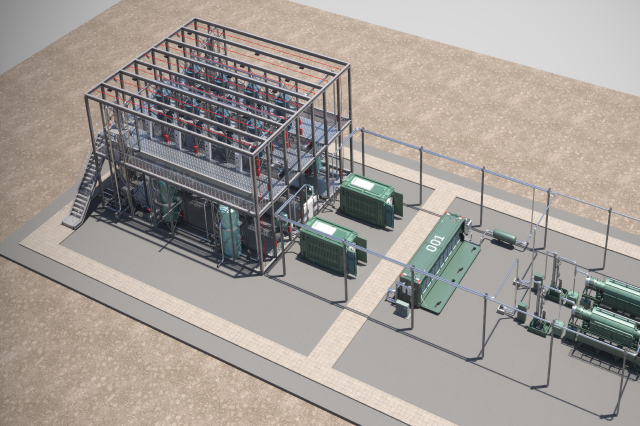
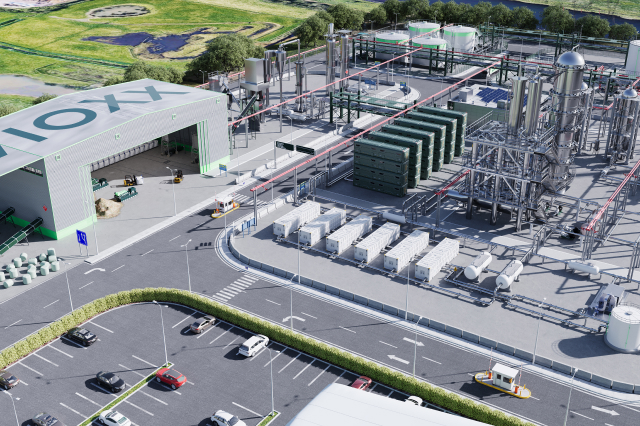
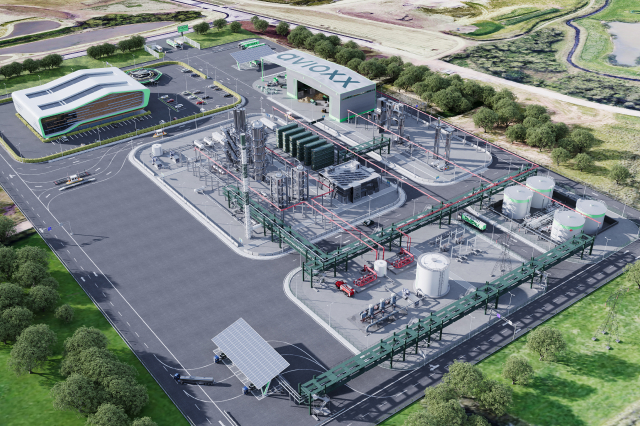
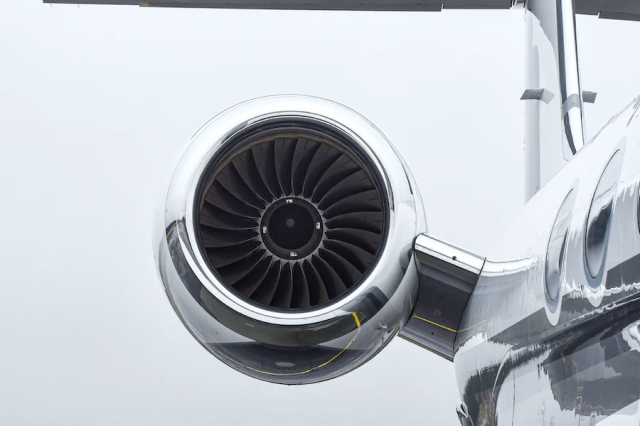
The Avioxx approach centres on an integrated waste-to-SAF platform designed to convert residual waste streams into drop-in aviation fuels fully compatible with current jet engines and existing fuel blends. Through the combined use of gasification, Fischer–Tropsch synthesis and integrated energy systems, the process produces synthetic fuels from waste feedstocks while supporting both circular economy principles and aviation decarbonisation.
The event in Sydney ultimately reinforced the importance of continued collaboration between the UK, Australia and Europe as the industry moves towards wider SAF adoption.
Delivering the next generation of sustainable jet fuels will depend not only on technological progress but also on coordinated support from governments, investors and industry partners working together to enable the global energy transition that Avioxx strives for.