

Independent testing confirms jet fuel production from waste-derived syngas
By Myfanwy Fleming-Jones
Following Avioxx’s participation in the UK Department for Transport SAF Clearing House programme, independent testing has confirmed the production of jet fuel–range hydrocarbons derived from non-recyclable waste. This marks a clear step forward, moving the technology beyond concept and into demonstrated capability.
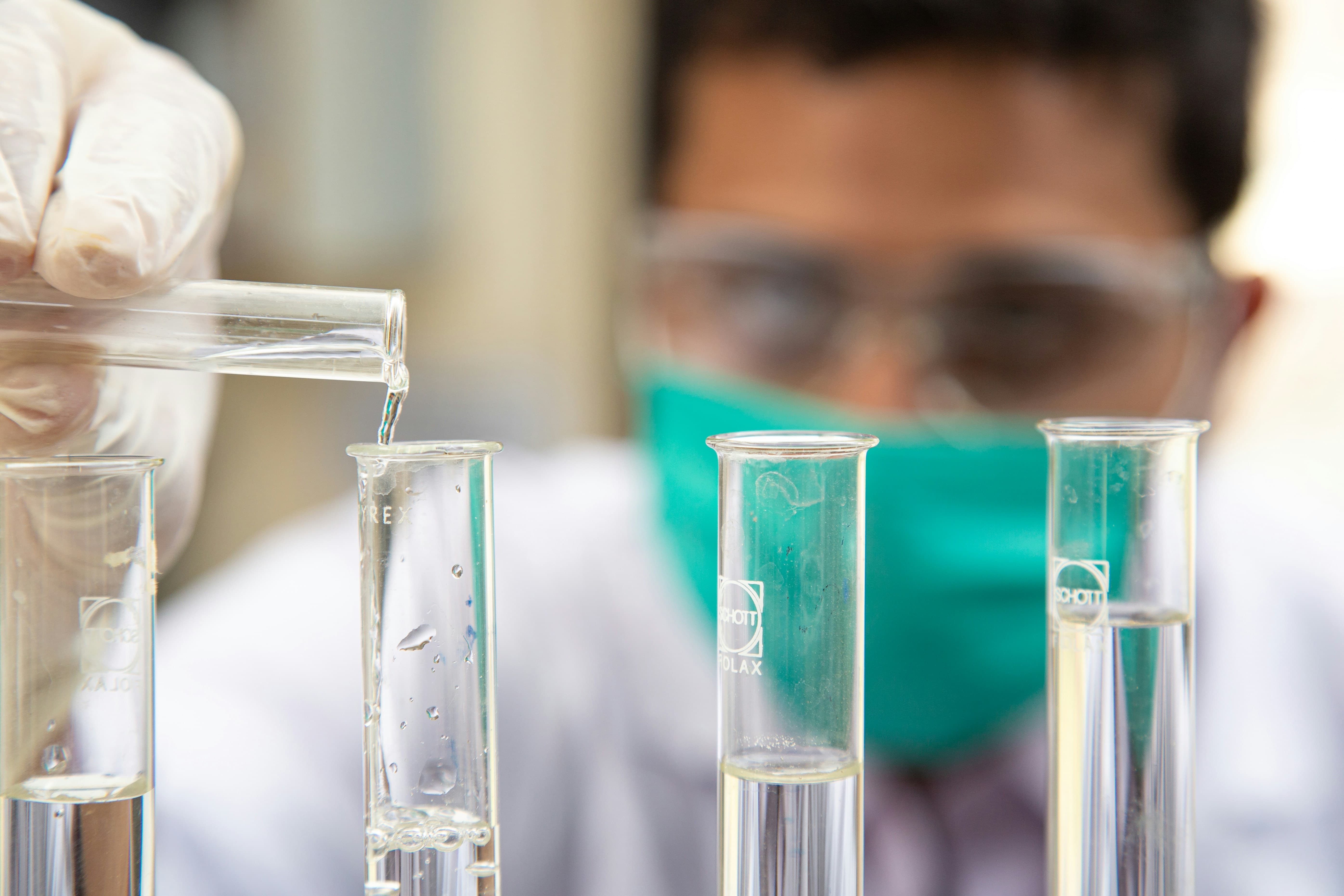
Independent analysis conducted with Intertek confirms that approximately 54% of the product falls within the kerosene range required for jet fuel, providing clear evidence that waste-derived feedstock is being converted into aviation-range hydrocarbons.
Chris Hancock, Chief Executive Officer of Avioxx, commented:
“This milestone marks a clear transition from theory to proven performance. We’ve shown that real waste can be converted into synthesis gas and upgraded into hydrocarbons in the jet fuel range. Our focus now is on optimisation, scaling the process, and completing the pathway to full Jet A-1 specification.”
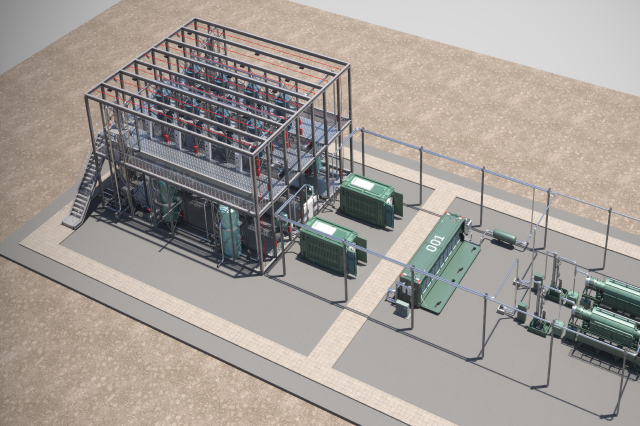
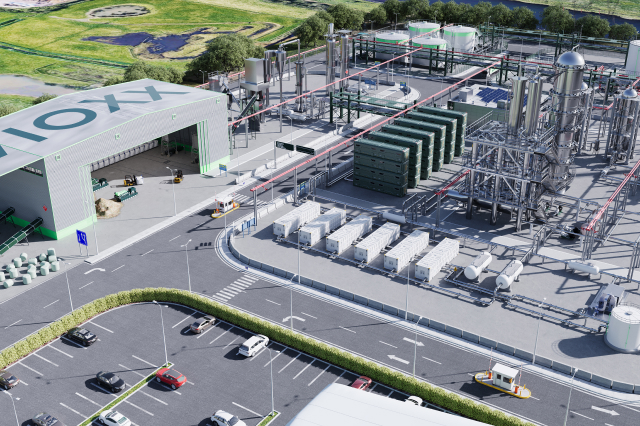
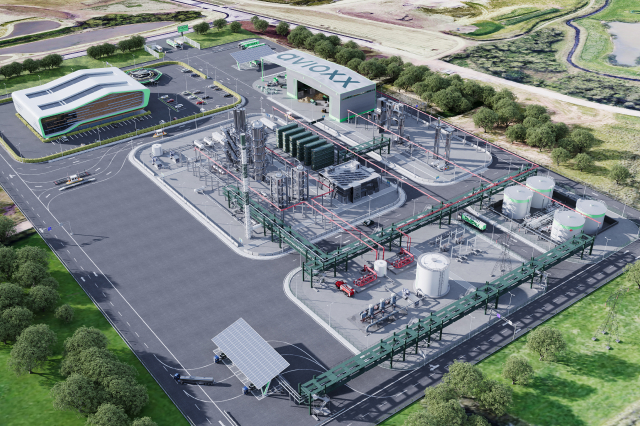
The Avioxx process converts non-recyclable waste into a clean synthesis gas, which is upgraded through Fischer–Tropsch chemistry and hydroprocessing into liquid hydrocarbons. By generating power and hydrogen internally, the system reduces dependence on external energy inputs and supports the potential for cost competitiveness with fossil-derived fuels.
Current SAF production is largely dominated by hydroprocessed esters and fatty acids (HEFA) – feedstocks that are inherently constrained. Non-recyclable waste represents a significantly larger and more stable resource. In the UK alone, annual waste volumes could theoretically supply up to 50% of national aviation fuel demand, positioning waste-derived SAF as a critical component of long-term energy security.
The latest analytical results reinforce this potential, confirming that a substantial proportion of the output falls within the kerosene boiling range required for aviation fuel. Independent data indicates that approximately 54% of the product lies within the 150–300°C range characteristic of synthetic paraffinic kerosene (SPK), with a further 44% in the naphtha range and only a minimal heavy fraction remaining.
Matthew Jee, Director of the UK SAF Clearing House, noted:
“Based on standard industry assumptions for the 150 to 300°C range, the samples indicate that around half of the material falls within the kerosene boiling range. In the context of Fischer–Tropsch wax upgrading, this represents a strong and encouraging result at this stage of development, demonstrating clear progress toward aviation-range hydrocarbons, with further optimisation expected to improve overall yield and product quality.”
The analysed samples, comprising hydrocracked Fischer–Tropsch products derived from both simulated and real waste-based syngas, were assessed using industry-standard methodologies aligned with ASTM D7566, the global specification governing sustainable aviation fuels.
Crucially, these results were achieved using genuine waste-derived syngas, rather than simulated feedstock, validating the full end-to-end process from waste through to fuel. This places Avioxx among a limited number of UK-based systems that have demonstrated integrated production of aviation-range hydrocarbons from real waste inputs, representing a notable advancement for the sector.
In addition to sustainable aviation fuel, the process produces e-diesel and e-gasoline as co-products, contributing to overall system efficiency and strengthening the commercial case for deployment. The materials tested at this stage are considered as synthetic crude and require standard downstream refining, such as distillation, to meet full aviation fuel specifications. This is consistent with conventional fuel production pathways. The next phase of development will concentrate on further process optimisation, refinement of product specifications, and progression toward commercial-scale implementation.
In light of this progress, Avioxx was also recognised at the SME News UK Transport Awards 2026 reflecting growing industry acknowledgement of its work in sustainable aviation fuel.
Download the full report