

Avioxx scales up with new X25FT reactor
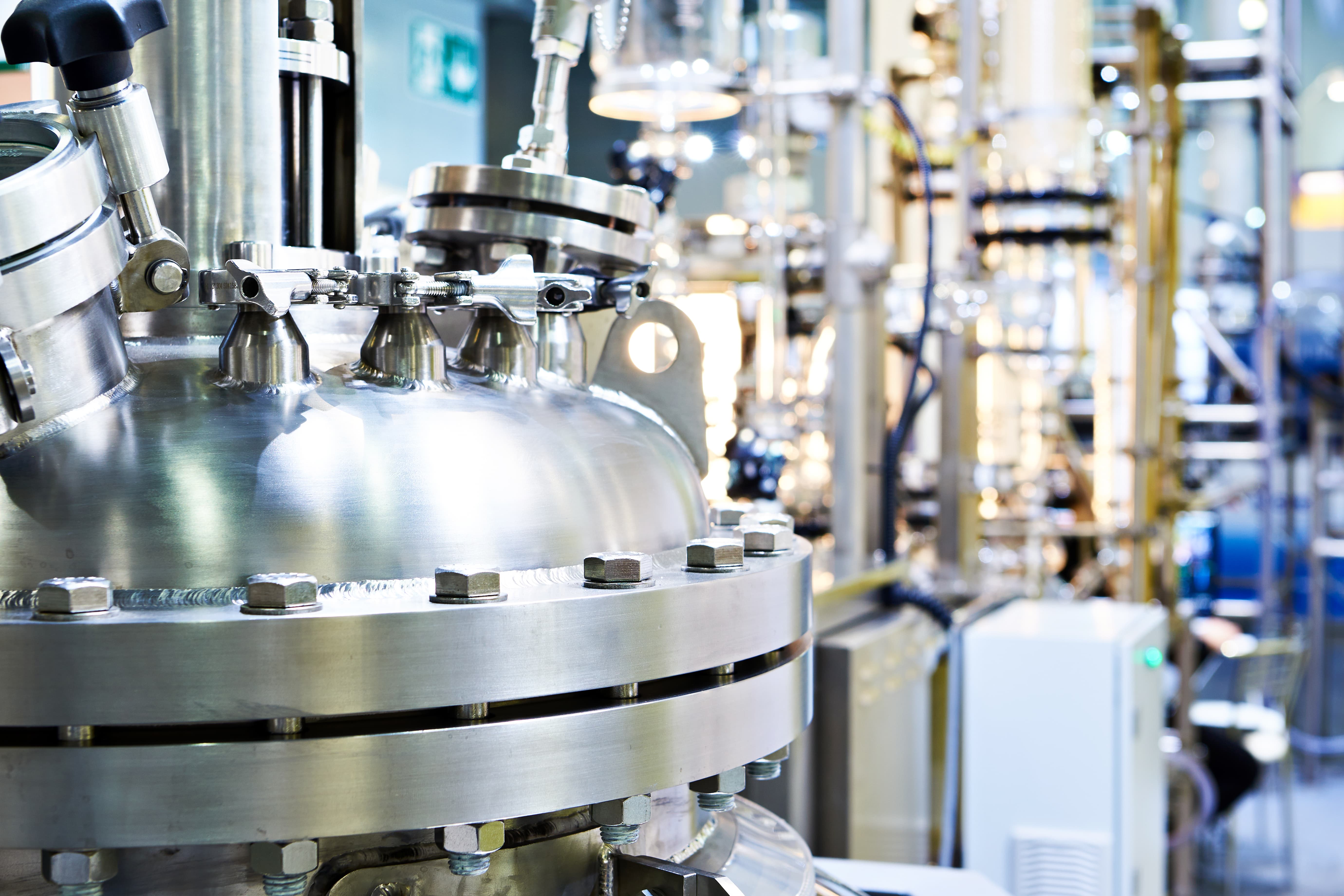
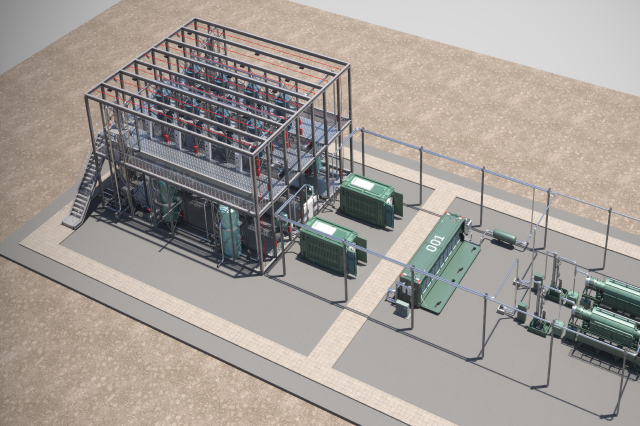
Avioxx has installed its new X25FT fixed-bed Fischer–Tropsch (FT) reactor, a bespoke system delivering 25 times the fuel output of the company’s current system. Final commissioning is scheduled for this month and marks a significant step toward modular, scalable sustainable aviation fuel (SAF) production.
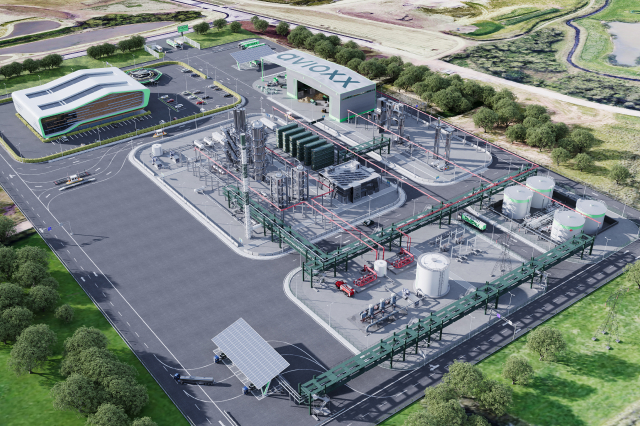
Located at the Runcorn facility in Cheshire, the X25FT is the first of 44 planned parallel FT reactors that will operate on a shared control system by the end of the year.
“We’ve proven the chemistry and flow conditions at micro-scale,” said Chris Hancock, CEO of Avioxx. “This is about speed and systemisation. Throughput is up 25-fold in six months – and we’re not slowing down.”
From micro pilot to X25 - accelerating the trajectory
Avioxx’s early work centred on developing a patented Fischer–Tropsch, electrolysis and solid oxide fuel cell (SOFC) system, culminating in a SAF pilot demonstrated earlier this year. The X25FT reactor advances this to high-pressure, fixed-bed operation with optimised flow rates and catalyst design for maximum SAF yield.
The reactor is designed to process high-temperature syngas produced from waste-derived feedstock supplied by a local gasification partner. While based on established fixed-bed principles, the FT unit has been engineered for rapid testing and parallel expansion. It has already been pressure-tested with hydrogen and will soon be loaded with catalyst for its first production run.
Once operational, the X25FT will produce enough SAF each month for blending and batch certification under ASTM D7566 which is the standard for aviation compatibility. This will enable certified product generation alongside ongoing system optimisation.
Advanced control, automation and AI future-proofed
The reactor integrates automated flow meters, safety valves, product collection, and remote-access capability via Schneider-based programmable logic controllers (PLCs). Up to 100 sensors track pressure, gas composition, flow rates, safety interlocks, and temperature, feeding AI algorithms to optimise yield while ensuring stability and safety.
Temperature control, critical for the exothermic FT reaction, is managed by a Julabo oil-based system with high-temperature insulation, gas-sampling loops, and a nitrogen-purged safety hood for extended high-temperature runs.
Path to commercialisation
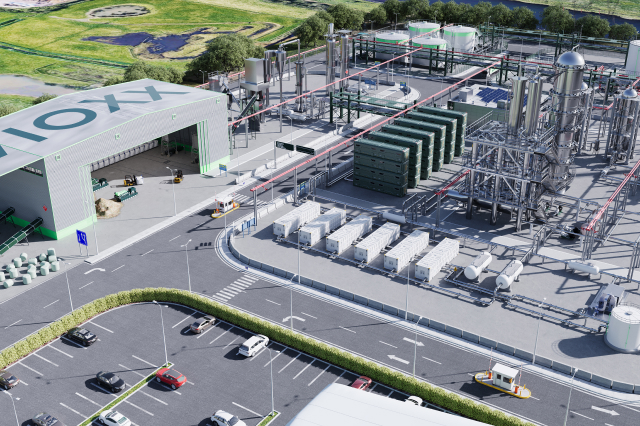
Perhaps the most ambitious part of the X25FT story is what comes next. The current unit is only the first of 44 identical FT modules Avioxx plans to build into a parallelised reactor bank. All of which will run on the same digital control backbone and be fed by a common syngas infrastructure, drawing from the company’s evolving waste-to-fuel supply chain. By keeping units modular and uniform, Avioxx hopes to standardise the cost, reliability, and operations of SAF production.
“We’re not scaling up like an oil refinery, we’re scaling out like a data centre,” Hancock explains.
If successful, the platform could serve as a foundation for future projects across the UK and Europe, where regulatory and investor pressure continues to mount for low-carbon aviation solutions that are both cost effective and technically proven.
Final steps before commissioning
By late July, hydrogen delivery and pressure testing were complete. Remaining tasks include finalising the oil-heating integration, loading catalyst, and completing automation checks. Commissioning and first gas-to-liquid synthesis are expected within weeks, with an internal milestone targeted for the end of August.
With ASTM-compliant production in sight and a clear roadmap ahead, the X25FT could be a defining step not only for Avioxx but for the wider SAF sector seeking scalable, flexible, and sustainable solutions.
If you’re interested in learning more about the Avioxx X25FT reactor or would like a product demo after its commissioned, please get in touch at info@avioxx.com.