Transforming waste into sustainable aviation fuel.
One integrated process that generates most of its own power and hydrogen, engineered to achieve price parity with conventional jet fuel at industrial scale.
Why our economics are different
Three structural cost advantages, designed in.
01Feedstock
Revenue from the waste we accept
Residual waste arrives with a gate fee, instead of purchased oils, fats or crops.
02Electricity
Power generated on site
Fuel cells running on syngas are designed to supply around three-quarters of the plant’s electricity.
03Hydrogen
Hydrogen produced within the plant
Integrated electrolysis reduces reliance on externally supplied hydrogen.
Based on engineering models for a commercial-scale plant.
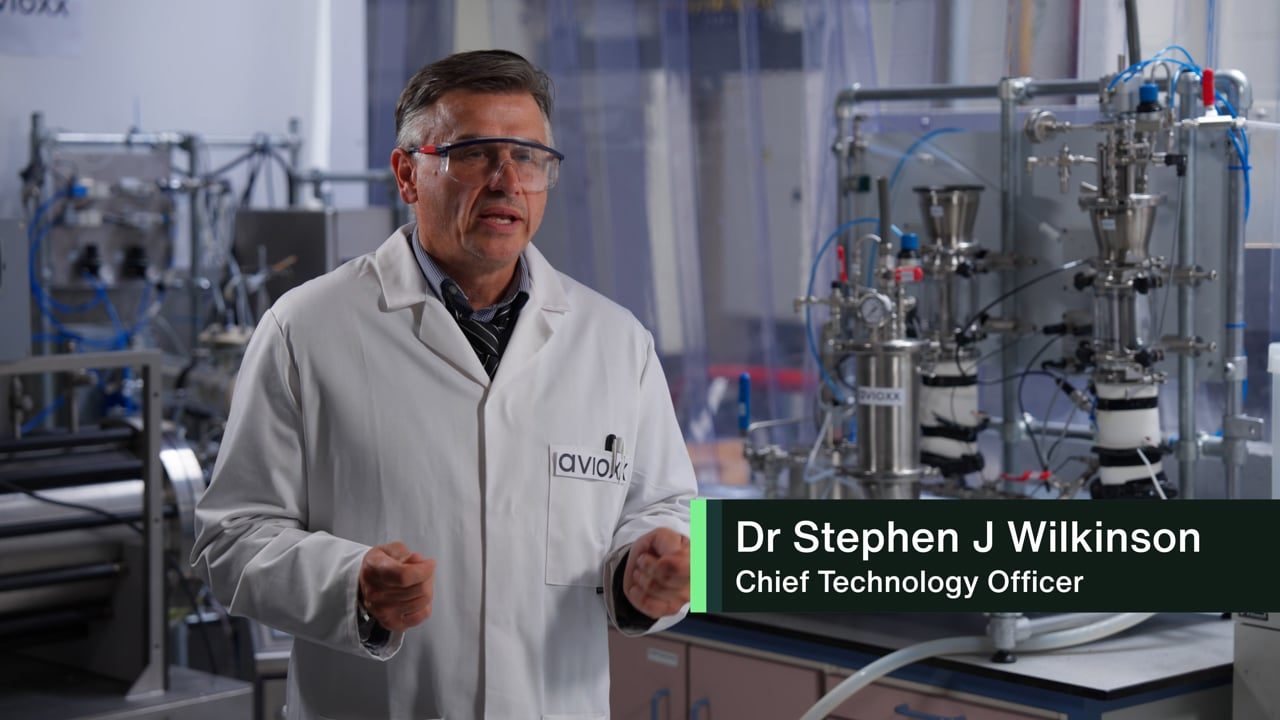
Meet the founders
The engineers behind Avioxx.
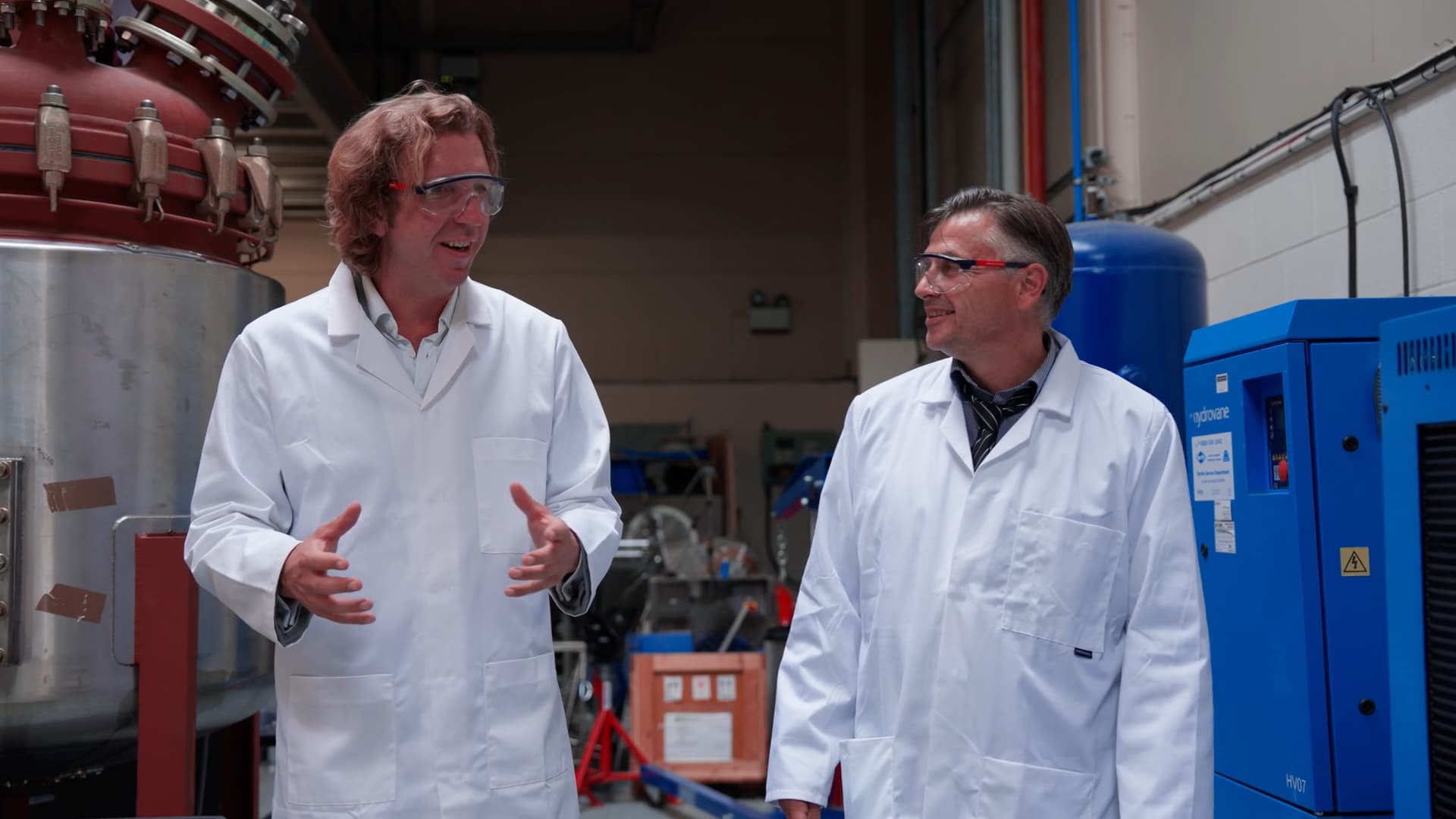
Chris Hancock, Dr Steve Wilkinson and Dr Mike Hancock on why they set out to make aviation fuel from waste.
Abundant feedstock
An abundant resource, turned into aviation fuel.
Residual waste that cannot be recycled, and would otherwise be landfilled or incinerated.
30Mt/yr
Residual waste generated in the UK
410,000t/yr
Refuse-derived fuel for one commercial plant
1.4%
Of UK residual waste, per commercial plant
Signed
Feedstock agreement for Project Genesis
How it works
Established technologies. One integrated process.
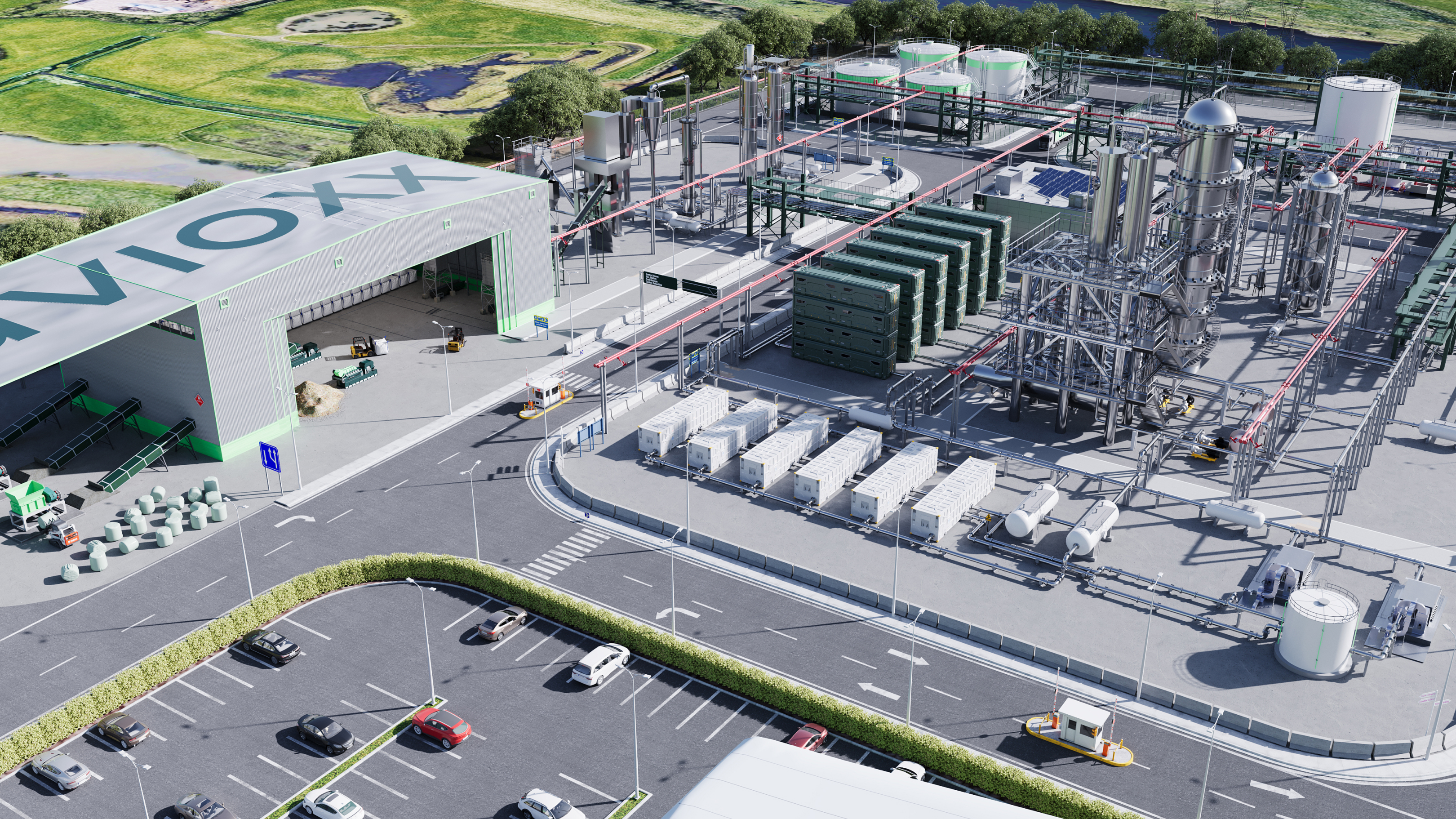
Gasification and Fischer–Tropsch synthesis are proven. Our innovation is integrating them with fuel cells and electrolysis, so the plant supplies most of its own power and hydrogen.
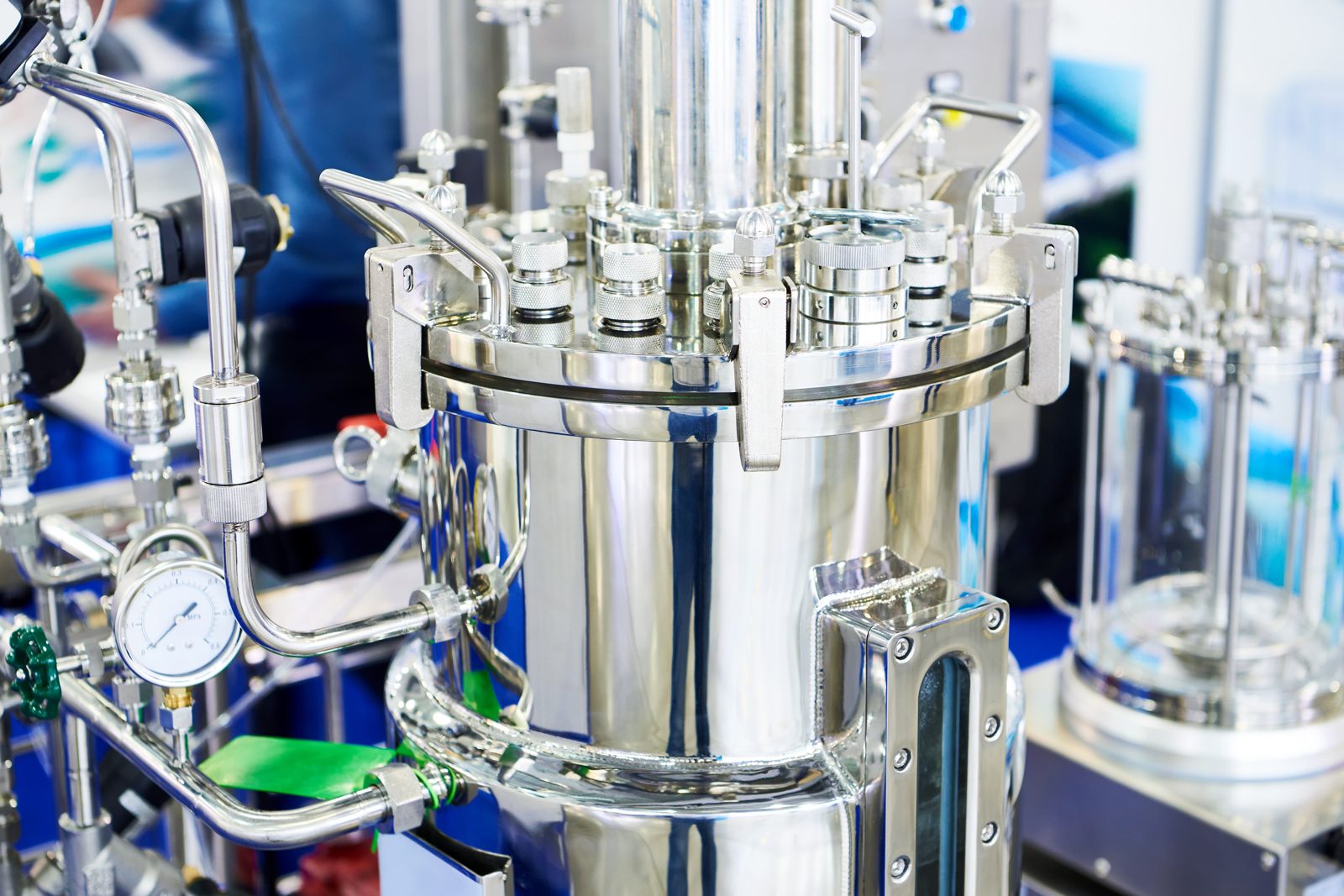
An operating pilot and independently tested fuel.
- 01Operating pilot
Runcorn, since August 2024.
- 02Fuel independently tested
Intertek analysis through the UK SAF Clearing House.
- 03Integrated demonstration next
Project Genesis, 5,000 t/yr, in development.
Commercial deployment
From operating pilot to commercial-scale production.
Catalyst
Pilot · Runcorn
Operating since 2024
Genesis
5,000 t/yr
In development · target 2029
Ascend
32,000 t/yr
Feasibility · target 2032
Commercial Deployment
32,000 t/yr plants
From 2035
Partners
Working with specialists across the value chain.
Engineering partner

Independent testing

Investor

Industry associations


Technology suppliers





Avioxx has received UK Government grant funding from the Department for Transport, through the UK SAF Clearing House, for independent testing of its fuel.